The Evolution of Smartphone Camera Technology: Professional Photography in Your Pocket
Smartphone cameras have transformed from simple point-and-shoot tools into sophisticated imaging systems that rival professional equipment. Modern devices available at Batelco showcase cutting-edge technology that empowers users to capture stunning photos and videos in any situation.
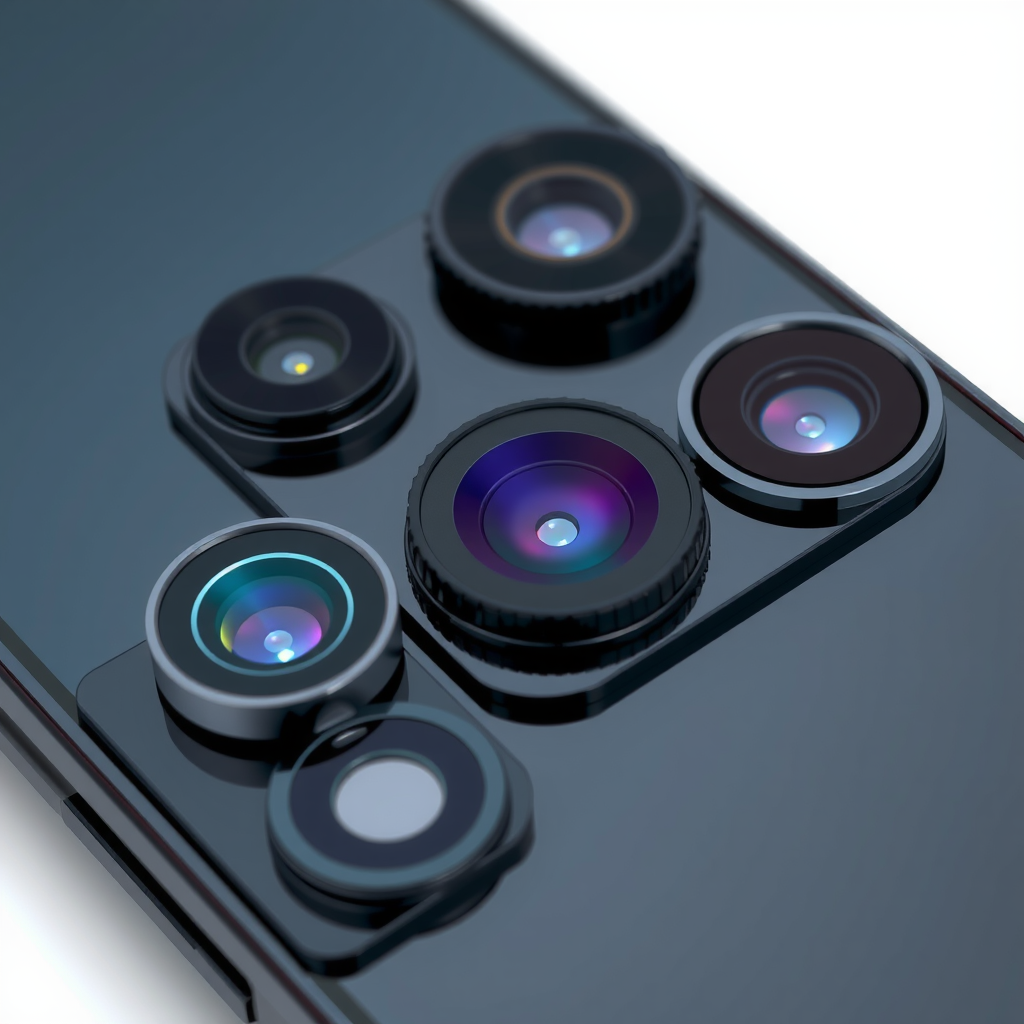
Multi-Lens Systems: The Foundation of Modern Mobile Photography
The transition from single-lens to multi-lens camera systems represents one of the most significant advancements in smartphone technology. Today's flagship devices feature sophisticated arrays that typically include ultra-wide, wide, and telephoto lenses, each optimized for specific shooting scenarios. This versatility allows users to capture everything from expansive landscapes to detailed close-ups without compromising image quality.
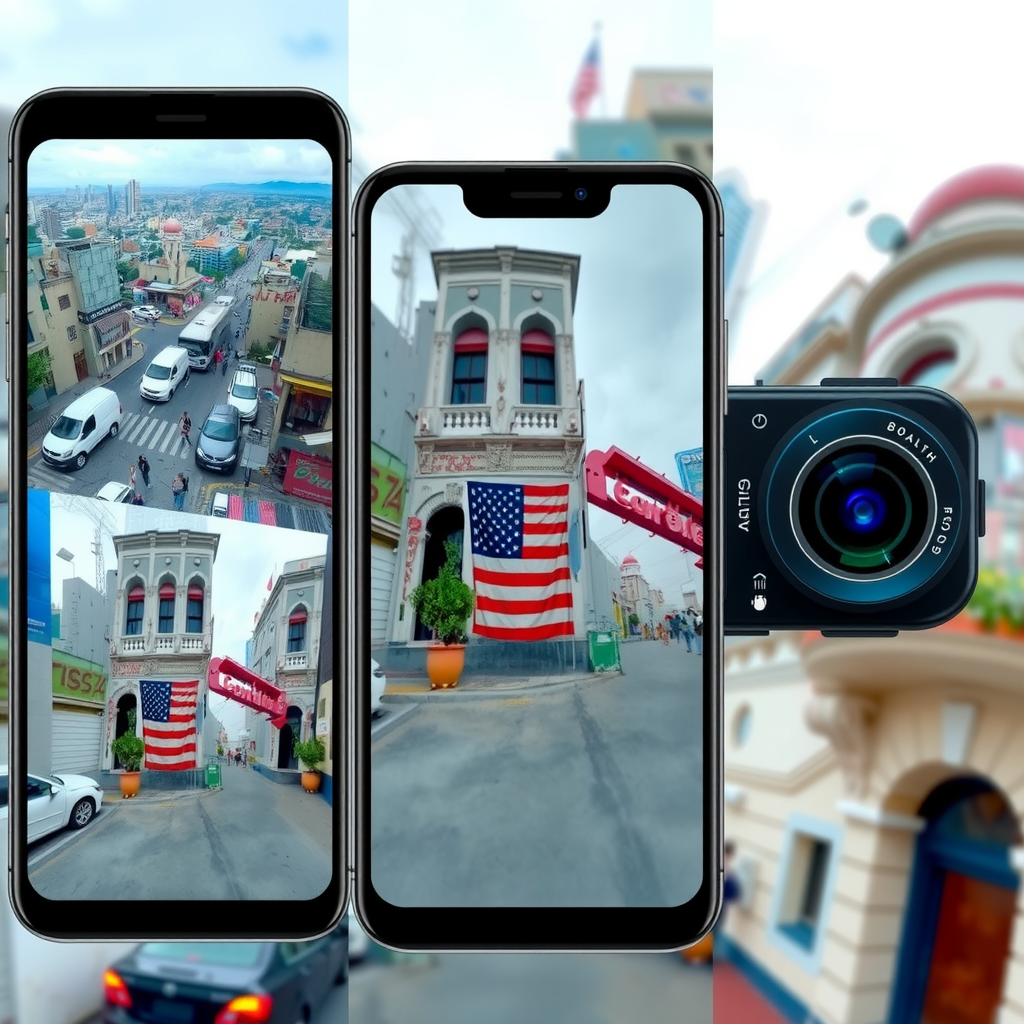
The ultra-wide lens, typically offering a field of view between 110 and 120 degrees, enables photographers to capture sweeping vistas and architectural marvels in their entirety. This lens has become particularly popular for travel photography and real estate applications, where conveying the full scope of a space is essential. Modern ultra-wide lenses have also addressed historical distortion issues through advanced software correction, delivering images that maintain natural proportions even at the edges of the frame.
The primary wide lens serves as the workhorse of the camera system, featuring the largest sensor and most advanced optics. These lenses typically offer focal lengths equivalent to 24-28mm in traditional photography terms, providing a natural perspective that closely matches human vision. Manufacturers invest heavily in optimizing these sensors, incorporating technologies like pixel binning and multi-frame processing to maximize light capture and detail retention.
Telephoto lenses complete the trinity, offering optical zoom capabilities that range from 2x to 10x magnification in premium devices. These lenses employ periscope designs that fold the light path within the phone's slim chassis, achieving focal lengths that would be impossible with traditional straight-lens configurations. The result is genuine optical zoom that maintains image quality far beyond what digital zoom could achieve, making distant subjects accessible without sacrificing clarity.
Sensor Technology: Capturing More Light, More Detail
At the heart of every great smartphone camera lies its image sensor, and recent years have witnessed remarkable improvements in sensor technology. Modern sensors have grown significantly larger, with some flagship devices featuring sensors approaching one inch in diagonal measurement. This increase in physical size directly translates to improved light-gathering capability, reduced noise in challenging conditions, and enhanced dynamic range that preserves detail in both highlights and shadows.
Pixel technology has evolved beyond simple megapixel counts to embrace more sophisticated approaches. Many current smartphones employ quad-pixel or even nona-pixel designs, where multiple small pixels can be combined into larger effective pixels when lighting conditions demand it. This flexibility allows the camera to capture high-resolution images in good light while switching to a mode that prioritizes light sensitivity and noise reduction in dim environments. The result is consistent image quality across a broader range of shooting conditions than ever before possible.
Advanced sensor designs now incorporate technologies like dual-pixel autofocus, where every pixel on the sensor serves double duty as both an imaging element and a phase-detection autofocus point. This comprehensive coverage ensures rapid, accurate focusing across the entire frame, even when tracking moving subjects. The speed and reliability of modern autofocus systems rival those found in dedicated cameras, making it possible to capture decisive moments that would have been missed with earlier smartphone generations.
Sensor stabilization represents another critical advancement, with many premium smartphones now featuring sensor-shift optical image stabilization. Unlike traditional lens-based stabilization, sensor-shift systems move the entire imaging sensor to counteract camera shake, providing stabilization benefits across all lenses in the camera array. This technology proves particularly valuable for low-light photography and video recording, where even minor movements can result in blurred images or shaky footage.
Computational Photography: Where Hardware Meets Intelligence
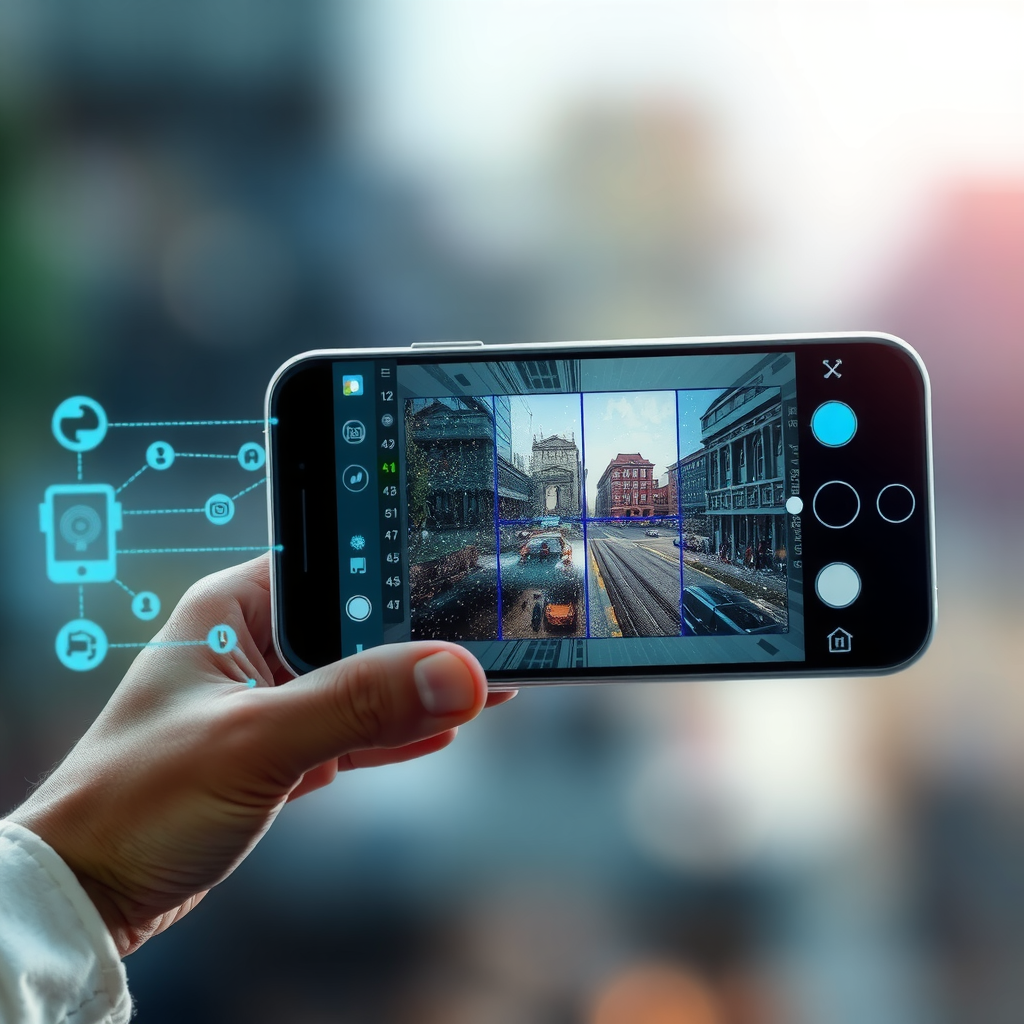
Computational photography has emerged as the defining characteristic of modern smartphone cameras, leveraging powerful processors and sophisticated algorithms to transcend the physical limitations of small sensors and lenses. When you press the shutter button on a contemporary smartphone, the device captures not just a single image but a rapid sequence of frames at varying exposures. These frames are then analyzed, aligned, and merged using advanced algorithms that extract the best elements from each exposure, resulting in a final image with exceptional dynamic range and detail.
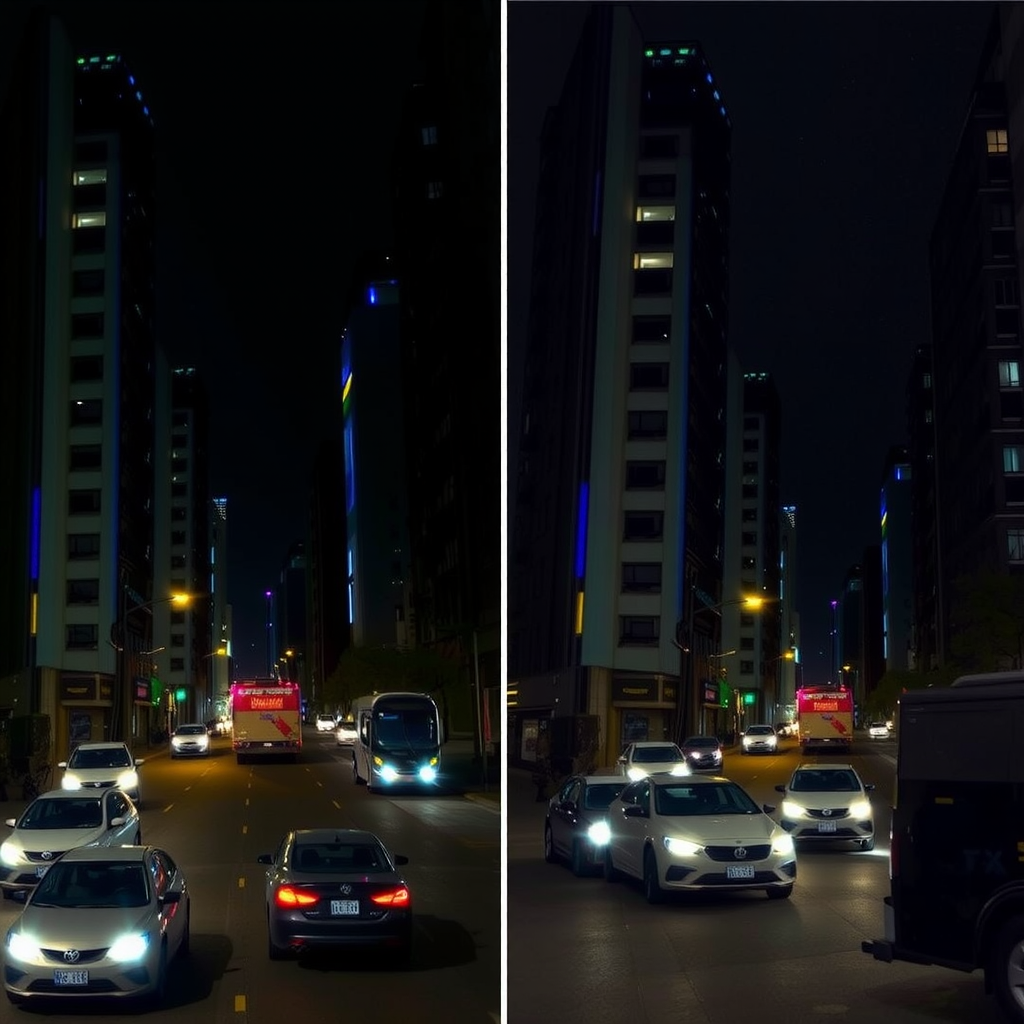
Night mode photography exemplifies the power of computational techniques. Rather than relying solely on long exposures that would result in blurred images when handholding the camera, night mode captures multiple shorter exposures and intelligently combines them. The system identifies and discards frames affected by excessive motion while preserving sharp details from stable frames. Simultaneously, the algorithms work to reduce noise, enhance color accuracy, and recover shadow detail that would be lost in a traditional single-exposure approach. The results often surpass what the human eye can perceive in the same lighting conditions.
Portrait mode demonstrates another application of computational photography, using depth mapping to create professional-looking background blur (bokeh) that mimics the shallow depth of field achieved by large-sensor cameras with fast lenses. Modern implementations employ multiple data sources—including dual-camera parallax, time-of-flight sensors, and machine learning-based subject recognition—to generate accurate depth maps. These systems can now distinguish fine details like individual hair strands and maintain natural-looking transitions between in-focus and out-of-focus areas.
Smart HDR processing has become increasingly sophisticated, analyzing scenes in real-time to identify different elements—sky, faces, foliage, buildings—and applying optimized processing to each region. This selective approach ensures that skies retain their vibrant blue color without appearing oversaturated, faces maintain natural skin tones, and shadow areas reveal detail without introducing excessive noise. The processing happens instantaneously, with no perceptible delay between pressing the shutter and viewing the final result.
Low-Light Performance: Seeing in the Dark
Low-light photography has historically been the Achilles heel of smartphone cameras, but recent advancements have dramatically narrowed the gap between mobile devices and dedicated cameras. The combination of larger sensors, brighter lenses with wider maximum apertures (often f/1.5 or wider), and sophisticated computational processing has made it possible to capture usable images in conditions that would have been impossible just a few years ago.
Modern smartphones employ multi-frame noise reduction techniques that capture and analyze numerous frames in rapid succession, identifying and eliminating random noise while preserving genuine image detail. This approach proves far more effective than traditional single-frame noise reduction, which often resulted in images that appeared overly smooth and lacked fine texture. The latest algorithms can distinguish between noise and actual detail at a pixel level, maintaining sharpness in areas like fabric texture and architectural elements while smoothing away the grain that plagued earlier low-light images.
Artificial intelligence plays a crucial role in low-light optimization, with neural networks trained on millions of images to understand how different scenes should appear. When capturing a dimly lit restaurant interior or a nighttime cityscape, the AI can reference this training to enhance colors, recover shadow detail, and reduce noise in ways that maintain a natural appearance. The system learns to recognize specific scenarios—such as candlelit dinners or neon-lit streets—and applies appropriate processing that respects the mood of the scene while maximizing image quality.
The introduction of dedicated night mode for video recording represents the latest frontier in low-light capability. While more challenging than still photography due to the need for real-time processing, modern smartphones can now capture surprisingly clean video footage in conditions that would have required professional lighting equipment in the past. This capability opens new creative possibilities for content creators and casual users alike, making nighttime videography accessible to everyone.
Professional Video Capabilities: Cinema in Your Pocket
Video recording capabilities have evolved to the point where smartphones are now legitimate tools for professional content creation. The ability to capture 4K video at 60 frames per second has become standard on mid-range and flagship devices, with some models pushing boundaries further by offering 8K recording or high frame rate options for smooth slow-motion playback. These specifications match or exceed what many dedicated video cameras offered just a few years ago, democratizing high-quality video production.
Advanced video stabilization systems combine optical and electronic stabilization with sophisticated algorithms to deliver remarkably smooth footage even when walking or moving quickly. Gimbal-like stabilization modes can eliminate virtually all camera shake, producing results that rival dedicated stabilization equipment. This capability has proven transformative for vloggers, documentary filmmakers, and anyone who needs to capture stable footage without carrying bulky equipment.
Professional video features now include manual controls over exposure, focus, and white balance, giving experienced users the creative control they need to achieve specific looks. Log profiles and high bit-rate recording options preserve maximum dynamic range and color information for post-production grading, while HDR video recording captures scenes with extreme contrast in a single take. Some smartphones even support external microphone input and monitor output, bridging the gap between mobile and professional video production workflows.
Cinematic mode represents an innovative application of computational photography to video, using real-time depth mapping to create rack focus effects that shift attention between subjects. The system can automatically detect when a new person enters the frame and smoothly transition focus to them, mimicking the work of a professional focus puller. Users can also manually control focus points during recording or adjust them in post-production, providing unprecedented creative flexibility for mobile video creation.
Specialized Photography Modes: Tools for Every Situation

Modern smartphones offer an array of specialized shooting modes designed to optimize results for specific scenarios. Macro photography mode, enabled by dedicated close-focusing lenses or advanced autofocus systems, allows users to capture intricate details of small subjects from distances as close as 2-3 centimeters. This capability opens up a fascinating world of miniature photography, revealing textures and patterns invisible to the naked eye.
Panorama mode has evolved beyond simple horizontal sweeps to include vertical panoramas and even 360-degree spherical captures. Advanced stitching algorithms seamlessly blend multiple frames, correcting for parallax errors and exposure variations to create cohesive wide-angle images. Some implementations can capture moving subjects within panoramas, freezing them at multiple points across the frame for creative effects.
Time-lapse and slow-motion modes provide creative tools for capturing the passage of time in unique ways. Time-lapse condenses hours of footage into seconds, revealing patterns and movements that unfold too slowly for normal perception. Slow-motion recording at frame rates up to 960 or even 1920 frames per second freezes split-second actions, revealing details of motion that happen too quickly for the human eye to process. These modes have become popular for both artistic expression and scientific observation.
Astrophotography mode represents one of the most impressive achievements in smartphone camera technology, enabling users to capture stars, the Milky Way, and even deep-sky objects without specialized equipment. These modes employ extended exposures combined with sophisticated tracking algorithms that compensate for Earth's rotation, preventing star trails while accumulating enough light to reveal celestial details. The results can be genuinely stunning, bringing the wonders of the night sky within reach of anyone with a smartphone and a clear view of the heavens.
Choosing the Right Camera System at Batelco
Batelco offers an extensive selection of smartphones featuring the latest camera technologies, catering to users with varying needs and budgets. For photography enthusiasts who demand the absolute best, flagship models from leading manufacturers provide the most advanced sensor technology, comprehensive lens arrays, and cutting-edge computational photography features. These devices excel in all lighting conditions and offer professional-grade video capabilities that satisfy even demanding content creators.
Mid-range smartphones have become increasingly capable, often incorporating camera systems that would have been considered flagship-level just a generation or two ago. These devices typically feature multi-lens arrays with competent main sensors, effective night modes, and solid video recording capabilities. For users who prioritize photography but don't require every cutting-edge feature, mid-range options from Batelco's selection provide excellent value and performance.
Casual users who primarily share photos on social media and capture everyday moments will find that even entry-level smartphones now offer surprisingly capable cameras. While these devices may lack some advanced features like telephoto lenses or the most sophisticated night modes, they still benefit from computational photography improvements and can produce images that look excellent on phone screens and social media platforms.
When selecting a smartphone based on camera capabilities, consider your specific use cases. Travelers might prioritize devices with strong ultra-wide lenses and excellent battery life for all-day shooting. Portrait photographers should look for models with advanced depth-sensing capabilities and natural-looking bokeh effects. Video creators will want to focus on stabilization quality, frame rate options, and audio recording capabilities. Batelco's knowledgeable staff can help match your photography needs with the ideal device from their comprehensive inventory.

The Future of Smartphone Photography
The trajectory of smartphone camera development shows no signs of slowing, with several exciting technologies on the horizon. Continuous optical zoom systems that can smoothly transition between focal lengths without discrete steps are already appearing in some devices, promising even greater versatility. Advanced computational techniques will continue to push the boundaries of what's possible, potentially enabling features like true 3D capture and enhanced augmented reality integration.
Artificial intelligence will play an increasingly central role, not just in post-processing but in real-time scene optimization and predictive capture. Future systems may anticipate decisive moments before they happen, automatically capturing the perfect expression or action without requiring the user to press the shutter at precisely the right instant. Machine learning models will become more sophisticated at understanding photographic intent, automatically adjusting settings and composition suggestions to help users achieve their creative vision.
Sensor technology continues to advance, with new materials and architectures promising even better light sensitivity and dynamic range. Quantum dot sensors and other emerging technologies may eventually allow smartphone cameras to see in conditions that are completely dark to human eyes, while maintaining color accuracy and detail that surpasses current capabilities. The integration of advanced spectral imaging could enable smartphones to capture information beyond the visible spectrum, opening new applications in fields ranging from health monitoring to environmental analysis.
As these technologies mature and become available in consumer devices, Batelco remains committed to offering the latest innovations to customers in Bahrain. Whether you're a professional photographer looking to complement your dedicated camera equipment, a content creator building your social media presence, or simply someone who wants to capture life's moments in the best possible quality, the smartphone cameras available at Batelco provide powerful tools that continue to redefine what's possible in mobile photography.
Experience Advanced Camera Technology
Visit Batelco to explore the latest smartphones featuring cutting-edge camera systems. Our expert staff can demonstrate the capabilities of different models and help you find the perfect device to match your photography needs and budget. Discover how modern smartphone cameras can transform the way you capture and share your world.